How Technical Innovation is Redefining Housebuilding
An interview with Danielle Michalska-Morris, Director of Research & Technical Innovation at Taylor Wimpey
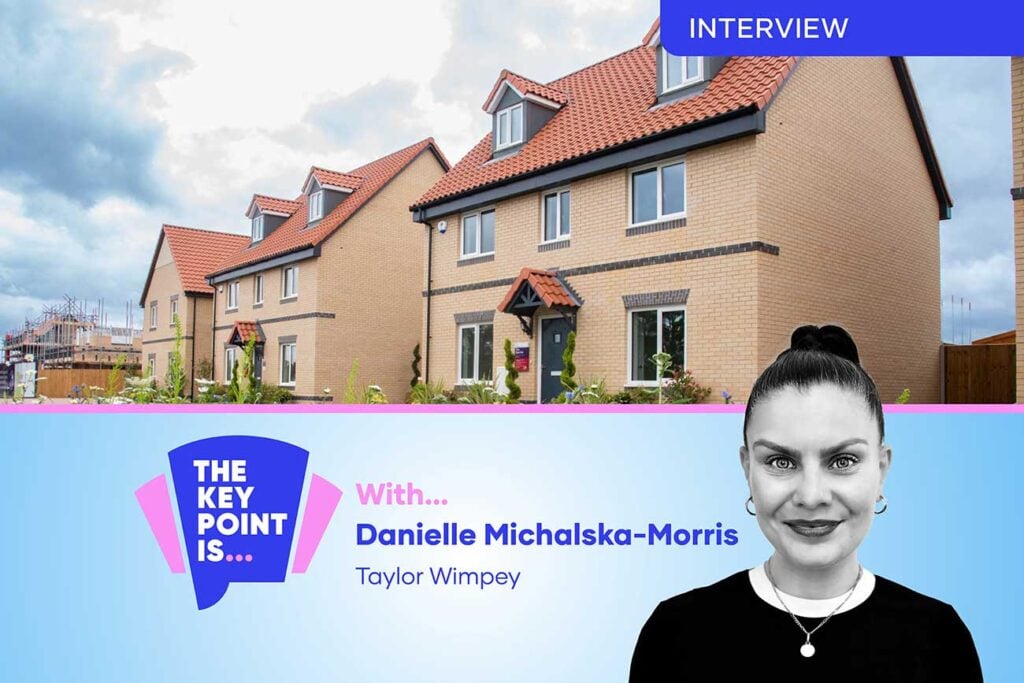
In this insightful interview, Danielle Michalska-Morris, Director of Research & Technical Innovation at Taylor Wimpey shares a practical look at how the housebuilding industry is evolving to meet the demands of a greener, more digital future.
Danielle explores the major impact sustainability, regulations and construction technology is having on the industry and the essential role of collaboration between housebuilders and manufacturers in navigating the shift toward low-carbon housing and the upcoming Future Homes Standard. By focusing on modern methods of construction, digital integration, and the critical need for a skilled workforce, Danielle outlines a strategic roadmap for delivering high-quality, energy-efficient communities at scale.
Explain your role at Taylor Wimpey?
As Director of Research & Technical Innovation, I lead Taylor Wimpey’s agenda to ensure we remain at the forefront of new building technologies, materials, and processes. I work closely with our regional businesses, external supply partners, and industry bodies to identify opportunities that improve quality, efficiency, and sustainability, while ensuring compliance with Building Regulations. A key part of this is reviewing and implementing new products and fostering collaboration with suppliers and innovators of all sizes to translate innovation into practical solutions that benefit our customers, our people, and the environment. Equally important is ensuring that future regulatory requirements address consumer needs, while balancing the need to deliver high‑quality, energy‑efficient homes at scale.
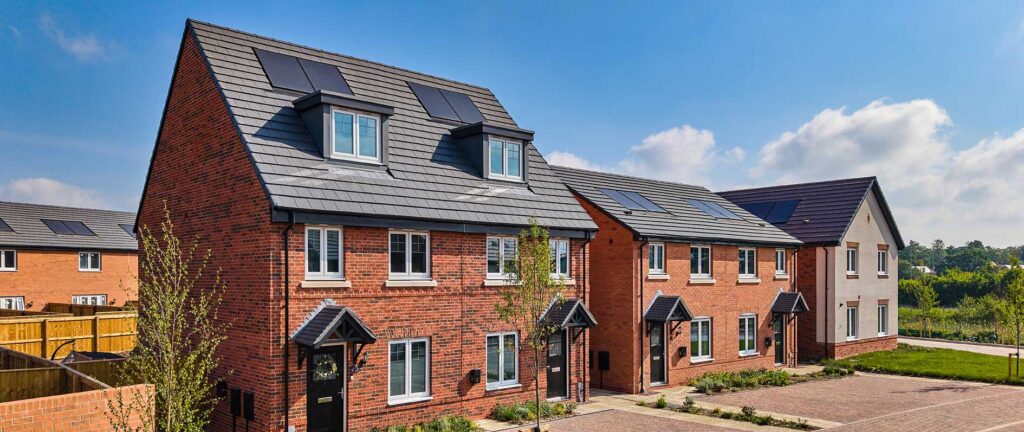
Taylor Wimpey’s Millbrook Place development, Crewe, Cheshire
What are the biggest challenges facing housebuilders today?
From an R&D perspective the shift to low-carbon housing requires investment in new technologies, processes, and training, alongside collaboration with manufacturers and regulators. Meanwhile, customer expectations continue to evolve, and buyers want quality homes that are affordable, energy efficient, digitally connected, and future-proofed. Balancing speed, skills, sustainability, customer needs and cost while maintaining affordability is one of the sector’s biggest hurdles, particularly during a period of accelerated regulatory change. However, this also presents a major opportunity for us to embrace innovation, strengthen partnerships, and invest in people.
How important is it for housebuilders to work with manufacturers to develop new innovations?
Collaboration between housebuilders and manufacturers is essential for driving innovation. Manufacturers offer technical expertise, research capabilities, and scalable product development, while housebuilders provide practical insight into on-site performance, integration, and customer expectations. Working together from the outset enables co-created solutions that are innovative, compliant, and fit for purpose. This partnership also helps de-risk innovation, through manufacturers gaining real-world feedback to refine products, and housebuilders benefiting from reliable, scalable solutions. By aligning efforts, the industry can accelerate the adoption of new technologies, enhance build quality and efficiency, and support the transition to sustainable, future-ready homes.
Where do you see product innovation having the biggest impact over the next few years?
I can’t pick one… I think product innovation will have the greatest impact in three key areas over the next few years. First, we will see energy efficiency and low carbon technologies transform how homes are powered and run, supporting more sustainable living. Second, modern methods of construction, including an increased use of timber frame and off site manufactured components, which will boost productivity, reduce waste, and improve build quality. Third, digital tools are reshaping both the construction process and customer experience, from enhanced design accuracy and collaboration to smart home technologies that offer greater control, comfort, and connectivity. Together, these innovations can redefine what new homes can deliver, creating communities that are more sustainable, resilient, and aligned with the UK’s, and our own, long-term net zero goals.
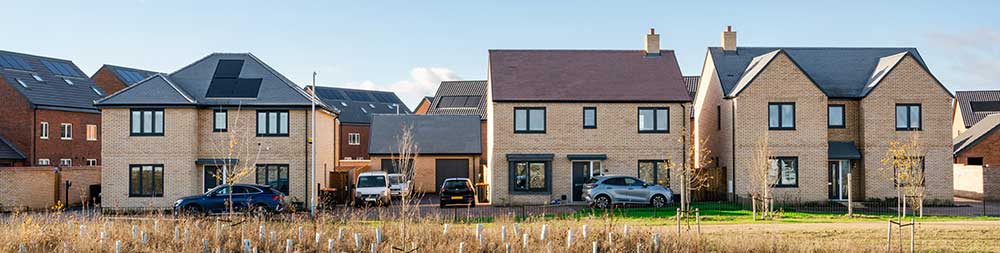
Taylor Wimpey’s Cromwell Place development in Wixams, Bedfordshire
What is the main barrier for delivering sustainable homes at scale?
The main barrier is aligning regulatory certainty, supply chain readiness, skills, and cost. Clear, consistent regulation is vital to give the industry confidence and time to invest in new methods and technologies. While low carbon technologies are advancing, scaling them requires clarity in standards to justify investment and enable long-term planning. A skilled and competent workforce is essential, not just to design, but to install, commission, and maintain new systems to high standards. Without this capability, innovations fall short. The supply chain must also be prepared to deliver products affordably and at volume, which calls for close collaboration between manufacturers and housebuilders. Ultimately, building capability across the sector is as crucial as the technology itself. Collaboration between housebuilders, manufacturers, training providers, and government will be key to overcoming these challenges and delivering the much-needed homes at scale. We also shouldn’t forget the need to educate our customers on the benefits of sustainable homes to ensure they are familiar with the operation of some of these new technologies and ways of living.
What impact are recent changes to Building Regulations having on how you deliver new homes?
Recent changes to Building Regulations, particularly around energy efficiency, ventilation, and fabric performance are well understood however emerging regulation change such as Future Homes Standard will reshape how we design and deliver homes. The anticipated changes are accelerating the adoption of new products, systems, and design approaches, creating challenges around supply chain readiness and workforce training. But at the same time, these changes are sparking innovation, encouraging smarter design, new technologies, and closer collaboration with manufacturers to meet higher standards. A clear and robust roadmap, with well-defined timelines, is essential to give the industry clarity and confidence to invest in new methods, technologies, and skills to enable a successful transition. Without this, planning becomes reactive rather than strategic. While the journey demands investment and coordination, the outcome is homes that are more energy efficient, healthier for occupants, and better equipped to meet future regulatory changes.
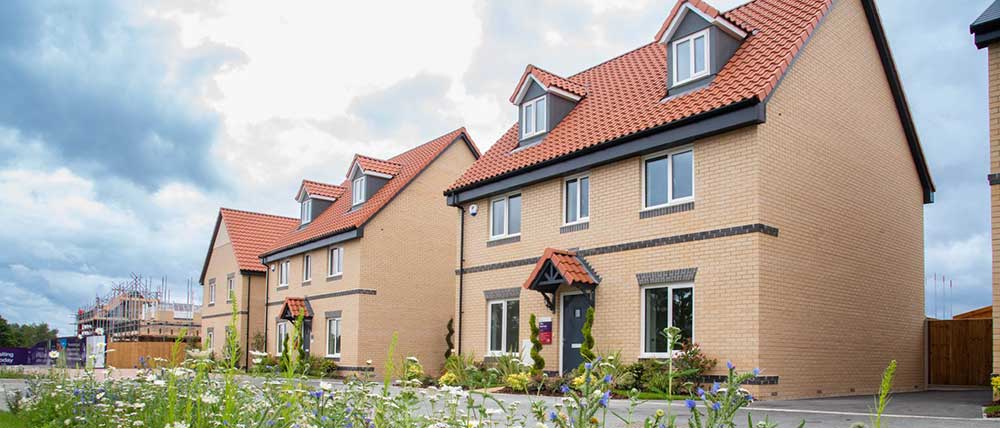
Homes at Taylor Wimpey’s Westland Heath development, Sudbury, Suffolk
You are part of a number of task groups – why are these so important?
Task groups bring together expertise from across the industry to tackle shared challenges in a collaborative way. They provide a forum for open dialogue, knowledge sharing, and the opportunity to influence policy and regulation constructively. By participating, we can ensure we shape the way legislation evolves for the benefit of the wider industry, developing practical, workable solutions which reflect both industry capability and customer needs. These groups also help align the supply chain, manufacturers, and housebuilders around common goals, reducing duplication of effort and accelerating innovation. For Taylor Wimpey, being part of these discussions means we can contribute to shaping the future of the sector, while ensuring our own practices remain aligned with best practice and evolving standards. Ultimately, this benefits not just our business, but the wider industry and, most importantly, our customers.
What excites you most about the future of new homes in the UK?
I’m excited by the advances in design, materials, and technology meaning we are now creating homes that are more sustainable, healthier and smarter, it is certainly an exciting time in Innovation. From low‑carbon construction methods and renewable energy integration to digital connectivity and smart‑home features, the potential to transform everyday living is enormous. What excites me most is the chance to build communities that are not only energy‑efficient and resilient, but also designed around people’s wellbeing, homes that are comfortable, affordable to run, and adaptable to future needs. The future of housebuilding is about more than compliance, it’s about raising the standard of living and enhancing our customers experience.


Signature Projects

Careers
Find out why over 2,000 colleagues have decided to grow a rewarding career with the Keystone Group. Find out more
Find out why over 2,000 colleagues have decided to grow a rewarding career with the Keystone Group.

About Keystone Group
Our reputation is built on our strong focus on innovation and a dedication to delivering the best service to our customers. Find out more
Our reputation is built on our strong focus on innovation and a dedication to delivering the best service to our customers.